
According to Geberth, this actually did occur to a man named Michael, and Geberth was one of the detectives called to the scene.94 A 1989 book by Dr. Joseph Sacco95 also mentions this story, albeit with a few differences in the details. “Cheese” or “Tylenol with Smack” is a heroin-based recreational drug that came to the attention of the media inside and outside the United States87 after a string of deaths among adolescents in the Dallas-Fort Worth Metroplex, between 2005 and 2007. It is generally reported to be a mixture of heroin and Tylenol PM (an OTC acetaminophen and diphenhydramine combination) or its generic equivalent, in varying ratios. This combination’s goal is to have an experience close to an Ali Flip,16 but more focused on the empathogenic effects. The idea is to experience an enhanced “Love Flip” with a twist with the 2C-B with a smoother comedown.
Roland Griffiths, the author of this playlist, went over hundreds of great songs and only chose the best of the best based on how his patients responded to the music.The music should be loud enough so you can hear it clearly but not unpleasantly loud. From thyroid hormones to amphetamine to the “fen-phen” craze, weight-loss drugs have emerged and continuously faced scrutiny, largely due to unintended health effects. Both men were eventually dismissed from Harvard but went on to become symbols of the psychedelic drug and hippie counterculture.
Some Lucky Strike Cigarettes Contained Cannabis
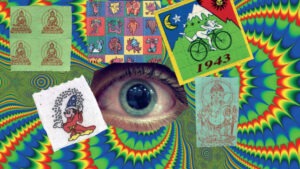
Likewise, adverse effects become increasingly likely with higher doses and may include addiction, severe injury, or death ☠. Blotter art is an art form printed on perforated sheets of absorbent blotting paper infused with liquid LSD. The delivery method gained popularity following the banning of the hallucinogen LSD in the late 1960s. The use of graphics on blotter sheets originated as an underground art form in the early 1970s, sometimes to help identify the dosage, maker, or batch of LSD. Ayahuasca was found to offer a more “spiritually significant” experience than LSD.
Among American youth, MDMA was most popular in the 1990s and early 2000s, peaking in 2001 and declining thereafter.79 It was during this time of rather faddish use that numerous urban legends and misconceptions began to surface and be spread through the media, and not all of them necessarily originated from anti-drug organizations. A version of this legend was repeated as fact on TV’s Dragnet series in 1967, in an episode revolving around the use of LSD before it was made illegal. The script described a shipment containing “one pound of LSD tabs, enough to turn the entire population of Los Angeles into dangerous psychotics” on the premise that one dose made a person legally insane due to the recurrence of completely unpredictable flashbacks throughout the user’s life after a single dose. Collectively, this growing body of research challenges assumptions of universal benefit and has contributed to calls for equity-centered approaches in psychedelic science.
CIA Vs Sims
To lower the strength, drug droplets are often mixed with other substances such as absorbent paper like gelatin sheets. In the United States, manufacture, possession, sale, transfer, and use of LSD came under the restrictions of the Drug Abuse Control Amendment of 1965. The following year the only authorized manufacturer of LSD in the United States withdrew the drug from the market and transferred its supplies to the federal government. Research projects continued under the supervision of the National Institute of Mental Health, a governmental agency.

Therapeutic Effects

First synthesized by Albert Hofmann on November 16, 1938, LSD went on to become a staple of the psychedelic world and the centerpiece of the 1960s counterculture.On April 19, 1943, Hofmann returned to investigate LSD further and ingested 250 micrograms of LSD. This mention in America’s most popular newsweekly is noteworthy because Abramson was not a psychiatrist or even a psychologist, but was an allergist who was a key participant in the CIA MK-ULTRA mind-control program. Mixing LSD with other drugs can have unpredictable effects and increase the risk of harm. Using LSD can trigger or worsen mental health conditions such as anxiety, schizophrenia or psychosis.3,6 Anyone with a history of these issues should avoid using LSD. There have been news reports recently which hint at a possible change in the law. Blotter Art can reach high prices, particularly when signed by prominent figures from the psychedelic movement.
- However, the actual experience of LSD has been found to be similar to shrooms.
- Researchers think LSD flashbacks may happen during times of increased stress.
- Microdosing has also been shown to increase athletic performance.What is awesome about microdosing is that you can stop at any time in case you notice some adverse reaction or if you simply don’t see any benefits.
- In the 1950s, the CIA investigated LSD (lysergic acid diethylamide) as part of its Project MKUltra.
It produces no aphrodisiac effects, does not increase creativity, has no lasting positive effect in treating alcoholics or criminals, does not produce a ‘model psychosis’, and does not generate immediate personality change. Because of this unpredictability, many users suggest having a “trip sitter” around during the trip, especially if it’s the first time. Ideally, the sitter is a known and trusted friend, and knows how to deal with bad trips. Lysergic Acid Diethylamide (LSD-25) is synthesized from lysergic acid, formed by ergot, a fungus that grows on rye. It was discovered by Swiss chemist Albert Hoffman in 1938, while he was working at Sandoz.
Psilocybin Mushrooms
At microdose levels where the substance is taken at sub-perceptual levels for nootropic effects, users report feelings of energy and enhanced creativity. Since LSD is not an approved drug, its therapeutic applications are regarded as experimental. In the 1960s LSD was proposed for use in the treatment of neuroses, especially for patients who were recalcitrant to more conventional psychotherapeutic procedures. LSD also was tried as a treatment for alcoholism and to reduce the suffering of terminally ill cancer patients.
By 1962, the Harvard faculty’s disapproval with Leary’s experiments reached critical mass. Leary was informed that the CIA was monitoring his research (see Government experiments below). Many of the other faculty members had harbored reservations about Leary’s research, and parents began complaining to the university about Leary’s distribution of hallucinogenic drugs to their children.