Silk Road, AlphaBay, WallStreet and Monopoly Market are all familiar names in the digital graveyard of the dark web. Before these dark web marketplaces were shutdown, they sold a range of illegal products, from drugs to firearms. Last week, one of the dark web’s most prominent drug marketplaces – Archetyp – was shut down in an international, multi-agency law enforcement operation following years of investigations. It was touted as a major policing win and was accompanied by a slick cyberpunk-themed video.
How Big Is The Global Pharmaceutical Market?
The Institute studies or supports research on changes in the lab-made drug supply and how these emerging substances work in the brain, as well as their health effects and potential as therapeutic treatments. NIDA researchers and grantees collaborate to identify how these emerging drugs work and their potential health effects, including those that have the potential to impact the overdose crisis. NIDA also supports the National Drug Early Warning System (NDEWS) to track emerging substances and their impact on drug-related emergency calls. NIDA conducts research on specific emerging drugs through its Designer Drug Research Unit and through support for the National Drug Early Warning System (NDEWS), which detects early signals of potential drug epidemics. NDEWS uses traditional surveillance methods like drug-related emergency calls, and newer tools like wastewater analysis and tracking of social media trends.
Frequently Asked Questions About This Report
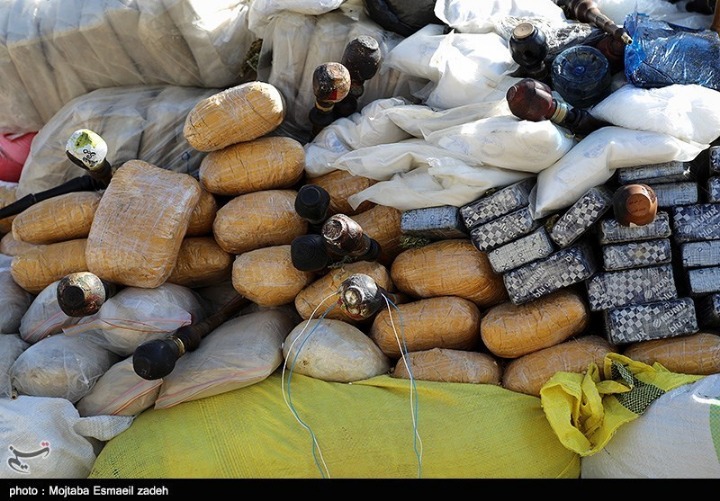
The sudden outbreak of the COVID-19 pandemic has led to a significant rise in the R&D activities pertaining to the development of generic drug to combat the spread of the coronavirus infection across the nation. Archetyp Market facilitated a reported minimum of 250 million euros (about $290 million) in drug transactions over five years, with over 600,000 users, 3,200 vendors, and 17,000 listings. Authorities seized assets valued at 7.8 million euros, including cryptocurrency and luxury goods, and deployed around 300 officers across multiple countries during the operation.
The country section of the report also provides individual market impacting factors and changes in regulation in the market domestically that impacts the current and future trends of the market. Data points like down-stream and upstream value chain analysis, technical trends and porter’s five forces analysis, case studies are some of the pointers used to forecast the market scenario for individual countries. Generic drug manufacturers often face stringent regulatory requirements and lengthy approval processes before they can bring their products to market.
Thishas led to greater accessibility for generic drug substitutions in the region.Manufacturers in the Asia Pacific have increased exports, strengthening themarket. With continuous investments in pharmaceutical research and development,along with regulatory reforms to streamline drug approvals, the Asia-Pacificregion is rapidly emerging as a key player in the global generic drugsindustry. The U.S. is a major player in the regional market, growth driven by the existence of robust pharmaceutical companies, the existence of key vendors, and government support. The demand for generic drugs has increased in the country due to their affordability and regulatory standards. Increased number of geriatric patients, prevalence of chronic disease, and high availability of branded medication are supporting this demand. The region houses several major pharmaceutical players, including Sandoz,Mylan, Merck, and Amgen Inc.
- The resulting high-volume production allows drug market control with lower prices and production costs.
- IV injections are widely used for delivering pain relief medications, monoclonal antibodies, chemotherapeutics, and fluids, especially in hospital and clinical settings where fast-acting treatments are critical.
- Therefore, approval required for generic drugs due to the stringent governmental regulations, which is expected to obstruct market growth.
- Also, market share analysis and key trend analysis are the major success factors in the market report.
- The non-biologics segment accounted for a lower share of the global market and also registered a comparatively low CAGR.
“We believe we are now at an inflection point for the broadening of obesity drugs’ use, which will extend beyond the U.S. to larger numbers of patients globally,” says Morgan Stanley Equity Analyst Terence Flynn. Pfizer scrapped a weight-loss drug earlier this year, but will add a new GLP-1 medication to its pipeline. On Sept. 22, Pfizer agreed to pay up to $7.3 billion to buy Metsera, a biotech company whose primary medication is the weight loss drug MET-97i, a once-daily GLP-1 injection. Pfizer, which earlier this year scrapped its experimental weight-loss pill danuglipron, will add a GLP-1 receptor to its clinical-stage medication development pipeline, with clinical trials imminent. The trend towards higher potency is likely most indicative of what to expect from future illicit substance market developments. According to Canadian drug seizure statistics heroin is no longer among the top ten recovered illegal substances 32, 40.
Generic Drugs Market
In parallel, the persistent threat of infectious diseases, including emerging viral outbreaks and antibiotic-resistant infections, underscores the critical need for innovative vaccines, antimicrobial agents, and treatment solutions. These dual challenges compel healthcare systems worldwide to prioritize effective disease management and prevention strategies, thereby creating a continuous demand for novel pharmaceutical products and improved drug delivery mechanisms. The Middle East and Africa pharmaceutical market is expanding due to improving healthcare infrastructure and a rising burden of chronic diseases. Saudi Arabia is a prominent market, supported by healthcare modernization initiatives and government investments in biopharmaceutical research.
Latest Developments In Global Prescription Drugs Market
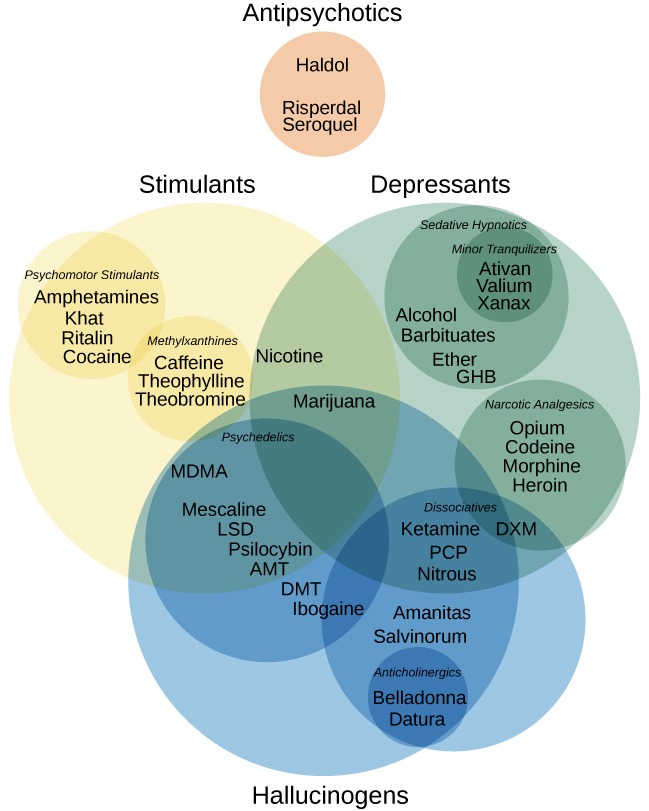
The strong generic drugs manufacturing abilities in countries like South Korea, India, and China support the overall growth of the market. Major conditions treated with antipsychotic drugs include schizophrenia, dementia, bipolar disorder, depression, and other conditions. The two major uses of antipsychotics include the reduction of severe (acute) symptoms and the prevention of symptom relapses and hospitalization. Both generations of medicine are efficient but the newer ones have improved benefits with lessened side effects over the typical first-generation antipsychotics. The rising number of schizophrenia patients is one of the major growth factors for the antipsychotic drugs market.
What Are The Regions Covered In The Final Report For The India Generic Drugs Market?
Every year, the number of chronic cases rises, be it in the central nervous system, cardiovascular diseases, oncology, diabetes, and a variety of other diseases. Because chronic diseases are so common, the government and many pharmaceutical companies are expanding their R&D spending to find novel compounds and improve existing technology. A global reference on drug markets, trends and policy developments, the World Drug Report offers a wealth of data and analysis and in 2024 comprises several elements tailored to different audiences. The web-based Drug market patterns and trends module contains the latest analysis of global, regional and subregional estimates of and trends in drug demand and supply in a user-friendly, interactive format supported by graphs, infographics and maps.
India Pharmaceutical Market Analysis And Trends
Hospitals increasingly consolidate purchasing consortia to extract further discounts, while voluntary influx of low-cost players from India intensifies competition. Although volume expansion partly offsets unit price declines, smaller manufacturers face cash flow strain, prompting portfolio rationalisation. Discontinuations elevate supply-chain risk, especially for sterile injectables, and occasionally trigger shortages that attract regulatory attention.
How Has AI Benefited The Generic Drugs Market?
In contrast, Spain had the fewest HTA evaluations for orphan drugs and the second fewest for non-orphan drugs with a mixture of outcomes. Notably, the country appears to have slightly more negative outcomes for orphan drugs (27%) compared to non-orphans (22%). The rate of penetration of obesity drugs is estimated to jump from about 1% currently to 10% of the obese population in the next 10 years, reaching a total market of $70 billion.
Furthermore, ongoing innovations in formulation, such as sustained-release injectables and combination therapies, are enhancing treatment outcomes and convenience. The injectable drug market is projected to grow from USD 630.9 billion in 2025 to USD 1,048.5 billion by 2035, reflecting a CAGR of 5.8%. This growth is driven by rising demand for biologics, vaccines, and innovative drug delivery systems globally. Oral drugs are widely favored by patients and healthcare providers due to their convenience and ease of administration, often requiring minimal or no medical assistance. The popularity of oral drugs stems from their ability to be self-administered, allowing patients to take their medication in the comfort of their homes without needing injections or medical procedures. This convenience factor improves patient adherence to treatment plans, ultimately improving health outcomes.
GlobalData
In addition, the report offers insights into the market trends and highlights key industry developments. In addition to the above-mentioned factors, the report includes numerous factors that have contributed to the growth of the market over recent years. The hospital pharmacies segment dominated the market due to the rise in demand for specialty drugs for treating critical diseases such as cancers and orphan diseases across hospital settings. Moreover, the rise in prescription drug acquisition by hospitals owing to high demand and the increasing number of hospital pharmacies across the country is further driving the segment growth.
Europe is observed to grow at a considerable rate in the upcoming period in the anti-obesity drugs market. It is stemming from higher obesity rates, supportive healthcare policies with strong health infrastructure, and an increasing demand for weight loss treatments. Also, the World Health Organization reports that a significant portion of adults and children in the WHO European Region are overweight or obese. Thus, the increasing emphasis on regional pharmacological solutions for obesity management is further contributing to its significance in the global market. Besides this, the report offers insights into the latest market trends and highlights key industry developments. In addition to the aforementioned factors, the report encompasses several factors that have contributed to the growth of the market in recent years.