The adoption of weight-loss drugs is likely to accelerate in a pattern similar to structural changes in the technology cycle, such as the introduction of smartphones. Patients’ use will increase as they become more familiar and comfortable with the new products and as manufacturers address hurdles in production, distribution and regulatory issues. Pfizer Inc.’s personalized approach towards patients is seeing the company develop targeted injectable drugs. Other companies in the market are establishing partnerships between themselves to develop and advertise new products. Problems like the aging population and the rise in mental health problems are seeing the healthcare sector develop in Europe.
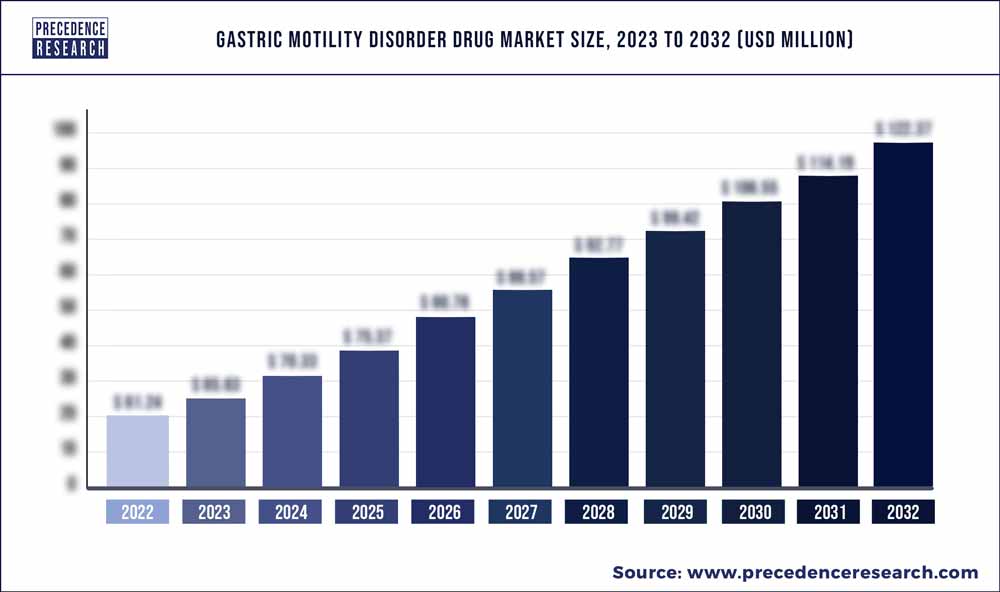
This group is the largest and consumes various pharmaceutical products for better health and to improve quality of life. With over 3,500 medications now in development, precision medicine will continue to be a major area of focus for pharmaceutical innovation. The field’s future is hinted at by Germany’s ambitious ambition to use whole-genome sequencing in regular healthcare, the emergence of mRNA vaccines, and next-generation treatments that use CRISPR technology. The global pharmaceutical market size was estimated at US$ 1,573.20 billion in 2023 and is projected to grow to US$ 3,033.21 billion by 2034, rising at a compound annual growth rate (CAGR) of 6.15% from 2024 to 2034.
Cardiovascular Diseases Segment: Significantly Growing
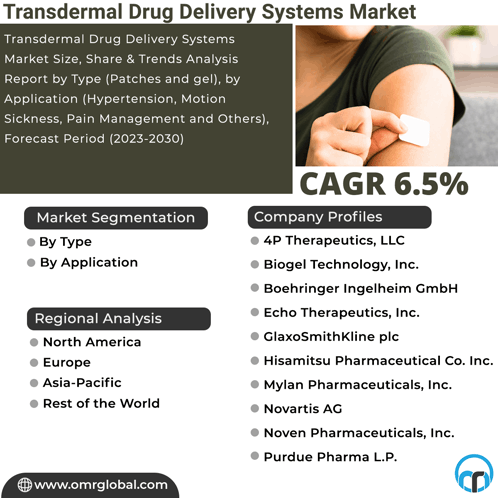
Numerous factors are contributing to the growth of the market, including a rapidly increasing number of patients with chronic diseases, like cardiovascular disease, diabetes, and cancer, which are leading to raised demand for drugs to manage these conditions. Moreover, accelerating technological advancements in drug delivery systems, such as mainly targeted therapies and biologics, are optimizing treatment potential and patient comfort. Also, in North America, especially the US, they greatly emphasize on patient-oriented, convenient delivery system and expenditure on healthcare resources. By drug type, the specialty drugs segment is expected to be the fastest-growing segment in the drugs market in the upcoming years. These are prescribed drugs, which are used in complex, chronic, and rare conditions like cancer, multiple sclerosis, rheumatoid arthritis, and other diseases. This is one of the major drivers for this segment; another factor is technological advancements in biotechnology and personalized medicine, which result in the development of highly efficient treatments.
The Enduring Shadow Of Quality And Safety Concerns
The injectable drug market is expected to register a CAGR of 3.0% in the United Kingdom over the period from 2025 to 2035. This, along with the increasing number of these drugs being introduced by market players, is further augmenting the demand for these drugs. The IQVIA Institute for Human Data Science contributes to the advancement of human health globally through timely research, insightful analysis and scientific expertise applied to granular non-identified patient-level data. The underlying growth rate of 3-6% in spend will be driven by new drug launches and wider use of recently launched brands despite efforts by payers to constrain their budgets, and the impact of lower cost options. To succeed in this evolving landscape, generic drug manufacturers must adopt a set of clear strategic imperatives that move beyond the traditional playbook.
We Are Committed Towards Customer Satisfaction, And Quality Service
Growing R&D activities coupled with mergers & acquisition in the pharmaceutical sector is anticipated to fuel market growth. Further, high demand for several clinical test to approve is anticipated to restrict market progress. This has led to a small number of patients adopting these drugs, and a significant proportion of these patients face financial hurdles during the usage of these products.
LATEST TRENDS
The market isseeing substantial growth due to the relaxation of patent laws globally,patient expirations, and growing demand for affordable medicine in emergingeconomies. There issignificant growth in the market due to patent expirations and several courtrulings worldwide, permitting the use of previously patented formulations foran overall increase in the welfare of the global population. These genericdrugs are much more cost-effective for local pharmaceutical companies toproduce, leading to a large reduction in the cost of production anddistribution.
Profiles Of The Global Titans
- Emerging markets are home to more than 70% of the world’s population, cover 46% of the planet’s surface, and generate 31% of global GDP.
- Furthermore, ongoing innovations in formulation, such as sustained-release injectables and combination therapies, are enhancing treatment outcomes and convenience.
- Manufacturers invest in novel delivery technologies and enhanced formulation stability to optimize patient compliance.
- With a significant 20% share in the global supply, India manufactures around 60,000 different generic brands across 60 therapeutic categories.
- Therefore, the increasing incidence of rare diseases is driving the growth of the pharmaceutical drug market.
- The rise in mortality is attributed to the drug’s increased potency and availability, and lower purity-adjusted prices, driven by production shifts to large-scale operations in Mexico.
Hospitals also lead in clinical trials, emergency care, and high-risk treatments like oncology and ICU care. Despite robust growth, the pharmaceutical industry faces a substantial hurdle in the form of regulatory challenges and escalating R&D costs. Developing a new drug, from discovery through approval, can take over a decade and cost upwards of $2 billion. Stringent regulatory requirements though vital for patient safety can delay time-to-market and increase risk, especially for smaller players with limited resources.
Key Takeaways:
Our premium consulting services are available for an additional fee is designed to help you gain a competitive edge. The market value is defined as the revenues that enterprises gain from the sale of goods and/or services within the specified market and geography through sales, grants, or donations in terms of the currency (in USD, unless otherwise specified). When your destination is a healthier world, making intelligent connections between data, technology, and services is your roadmap. Orchestrate your success across the complete compliance lifecycle with best-in-class services and solutions for safety, regulatory, quality and medical information. Generate and disseminate evidence that answers crucial clinical, regulatory and commercial questions, enabling you to drive smarter decisions and meet your stakeholder needs with confidence.
FOR YOUR INTEREST IN OUR REPORT
- BioMarin’s product portfolio includes several orphan drugs, such as the mucopolysaccharidoses (MPS) group of disorders, and the company also has strong orphan drug pipeline candidates in various stages of clinical trials.
- This shift marks a new era for the industry, one defined by scientific sophistication, advanced manufacturing, and digital transformation.
- The increasing adoption of these generic equivalents is especially due to the fact that these generics are often as efficient as their original counterparts and can often be adopted by patients at a fraction of the costs.
- The pharmaceutical drug market consists of sales of generic drugs, over-the-counter medications, bulk drugs, vaccines, biosimilars, and biologics.
- At present, around 620 million people worldwide are living with heart and circulatory diseases, and it is estimated that around 60 million new cases of cardiovascular diseases are reported annually.
He said his administration plans to launch an investigation on “unfair and discriminatory trade practices” of other countries he said shifts the cost burden of pharmaceutical drugs to Americans. In this report, we quantify the impact of these dynamics and examine the spending and usage of medicines in 2022 and the outlook to 2027, globally and for specific therapy areas and countries. We intend for this report to provide a foundation for meaningful discussion about the value, cost, and role of medicines over the next five years in the context of overall healthcare spending. Reaching a post-pandemic era is an alluring prospect for almost everyone around the world after the disruptions of the past three years.
The development of targeted therapies, biologics, and personalized medicine has reshaped treatment models, offering more effective solutions for complex conditions such as cancer, autoimmune diseases, and genetic disorders. Gene therapies and RNA-based treatments, like those for inherited retinal diseases and certain types of cancers, have gained FDA approvals, contributing to the industry’s momentum. The approval of cutting-edge drugs such as CAR-T cell therapies for certain cancers exemplifies the market’s growing focus on precision medicine, offering hope for previously untreatable conditions. A notable advancement is the continued progression in immuno-oncology treatments, which are redefining cancer care. Thus, the growing utilization of generic drugs is driven by a combination of factors, including safety and efficacy, cost-effectiveness, improved healthcare access, and increased awareness.
The historical model of developing a generic drug and launching it with a largely uniform global strategy is no longer viable. The policy-driven market of China’s VBP requires a focus on cost and scale that is fundamentally different from the needs of the U.S. market, where navigating patent law and the IRA’s pricing provisions is paramount. Similarly, success in Japan is contingent on overcoming a deep-seated trust deficit, a challenge that requires investment in quality assurance and physician education that goes far beyond the typical commercial strategy in Europe or North America. This divergence forces global players to operate not as single monolithic entities, but as a federation of highly specialized regional businesses, each tailored to the unique demands of its local market. For chronic conditions, lifestyle interventions and non-pharmacological therapies (e.g., behavioral programs or surgical options) can serve as substitutes. Additionally, the rise of biosimilars presents competition for biologics, particularly in therapeutic areas like oncology and immunology.
Companies Mentioned

For instance, alkaloids were the first pure pharmaceuticals derived from plants; they include quinine, nicotine, cocaine, atropine, and morphine. Similarly, some drugs are made of animal origin, which includes glandular extracts containing hormones. These pharmaceutical products diagnose, treat, and prevent chronic diseases such as cancer, diabetes, and genetic disorders. By product, the generic segment is estimated to grow at the fastest rate during the forecast period.
Artificial intelligence (AI) is emerging as an important tool in the healthcare sector, as it helps understand the action mechanism of drugs. The use of AI tools has already been proven to accelerate the process of discovering new candidate therapeutics; the process that earlier used to take years to complete can now be accomplished within months using AI. Majority of investments in the US pharmaceutical market, companies primarily target drug discovery and development. In 2021, Pfizer Inc. invested US$ 13,829 million in research and development, recording an increase of US$ 4.4 billion from 2020 (US$ 9,393 million). Similarly, Johnson & Johnson invested US$ 14.7 billion in research and development in 2021, with an annual rise of 21% in its all-time-high investment recorded in 2020.
Thishas led to greater accessibility for generic drug substitutions in the region.Manufacturers in the Asia Pacific have increased exports, strengthening themarket. With continuous investments in pharmaceutical research and development,along with regulatory reforms to streamline drug approvals, the Asia-Pacificregion is rapidly emerging as a key player in the global generic drugsindustry. Emerging markets, particularly inAsia-Pacific, Latin America, and Africa, represent significant growthopportunities for the pharmaceutical industry.
Their widespread adoption is due to their well-established manufacturing processes, predictable pharmacokinetics, and oral bioavailability. Small molecules are widely used in various therapeutic applications, and their patent expirations allow for the entry of generics, further driving market growth. They also have better membrane penetration, making them effective at targeting intracellular pathways. The pharmaceutical industry is evolving rapidly with advances in biological therapies, precision medicine, and digital health solutions. Pharmaceutical companies are focusing on research & development to bring new drugs, vaccines, and biosimilars to the market, addressing chronic diseases, rare disorders, and infectious diseases. Additionally, government support, healthcare reforms, and emerging biopharma startups are further driving the pharma market forward.