
Alternatives in raw material sourcing and energy-efficient production practices are two areas drawing the attention of manufacturers to have minimal impact on the environment. Digital and automation tools allowing innovations in brick design and construction methods are going to revolutionize this sector, improving efficiency and precision in building projects. In the bricks market, the modular segment refers to bricks that adhere to standardized dimensions, facilitating easy and precise construction. This segment is characterized by uniformity in size, allowing for efficient assembly and reducing construction time. A notable trend in the modular bricks market is the increasing preference for these standardized units, driven by their versatility in various construction applications. The modular segment’s growth is attributed to its convenience, cost-effectiveness, and compatibility with contemporary construction methods, reflecting a shift towards streamlined and efficient building practices.
Global Brick Market, By Manufacturing Process Market Analysis (2024 –

Quantitative analyses are validated through statistical triangulation, whereas qualitative themes are vetted by subject-matter experts and external reviewers for consistency and relevance. Newport just got brighter with the 2025 debut of Umbrella Tie-Dye Sky Newport, a unique art experience with 500 colorful umbrellas suspended in the sky above Brick Market Place. She said the lack of communication over the project timeline is part of why they’re having a hard time trusting what’s happening behind closed doors. A spokesperson for the City of Harrisburg confirmed construction began Monday at the site, which is located between Third and Sixth streets. Customize this report to your needs — add regions, segments, or data points, with 20% free customization. This is the first umbrella sky art instillation to ever debut in New England, for the third consecutive year.
Eco-friendly bricks, incorporating recycled materials or utilizing low-carbon production processes, align with green building initiatives. The segmentation of the global brick market, by type, mirrors the ongoing progress in construction technology and the set targets of being ‘green’. Regarding the rise in urbanization across the world, demands for fast construction materials continue to move upward. Governments and developers press towards energy-efficient construction methods and, therefore, increase demand for bricks with higher insulation and lower carbon emission. One of them sees sustainability become the number one issue to drive the industry toward eco-friendly practices and materials.

Concrete block, brick, thin brick, cultured stone veneer, mortar, masonry materials and tools, masonry sealers and cleaners. Our Columbus location has a block manufacturing facility as well as a showroom for bricks and stone. While you’re in the area, I’d highly recommend a London walking tour to tickle your fancy as you explore this fabulous city. And, of course, for its bargains and vintage clothing stalls that are dotted throughout this lovely lane.
Bricks Market Key Takeaways
Backyard Market is the arts and crafts hub of Brick Lane and has a great little creative community. This artisanal market is found in the Old Truman Brewery and has a bustling array of stalls for all of your creative needs. You can find lovingly crafted handmade jewellery, brilliant prints, clothing by up-and-coming designers, unique mosaics, artisanal food, and many more artsy pieces to fill your home or give as a bespoke gift.
North America Brick Market Report:
In the dynamic flow of global construction materials, bricks emerge at the core because of their durability, versatility, and sustainability. Bricks form a greatly diversified market globally, with different types meeting special construction needs. Clay bricks, sand lime bricks, fly-ash clay bricks, and many such specialized variants fulfill various conditions of the environment and architectural needs. The brick market presents a lot of promise with the emergence of economies that are rapidly industrializing and developing the necessary infrastructure. Therefore, the schemes on affordable housing and other urban infrastructural projects with major investments are the factors that will spur demand to a large extent in the near future.

John Flory
According to the application, the residential building segment held a 32% revenue share in 2024. The residential building segment in the bricks market refers to the use of bricks in the construction of houses and residential complexes. A notable trend in this segment is the growing preference for bricks in sustainable and energy-efficient housing projects. Architects and builders are increasingly incorporating innovative brick designs and eco-friendly materials to meet the demand for aesthetically pleasing yet environmentally conscious residential structures. This trend aligns with the global emphasis on green building practices, positioning bricks as a key material for sustainable residential construction. This aligns with the increasing focus on eco-friendly building materials and sustainable construction practices, making clay bricks an attractive choice for environmentally conscious projects.
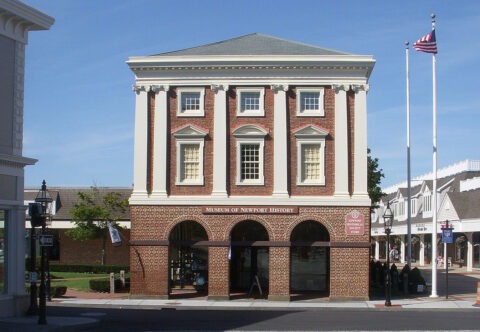
Carbon-tax exposure from the EU ETS and the Carbon Border Adjustment Mechanism raises production costs, pushing firms to adopt low-carbon fuels and efficient kilns. Niche disruptors spotlight recycled textile or bio-based feedstocks that lower embodied emissions while matching compressive strength standards. Intellectual-property ownership in char-based thin bricks and 3D-printable fly-ash mortar positions start-ups for licensing or joint ventures with incumbents needing rapid ESG upgrades. Consolidators pursue bolt-on buys of regional paver or block makers to secure channel access and reduce last-mile costs, signaling an era of value-chain integration ahead. Downtown Newport is renowned for its many colonial-era buildings, but one of the finest is the Brick Market, located along Thames Street at the western end of Washington Square.
The Boiler House
In an era where construction trends are shifting towards green building practices and cutting-edge design aesthetics, the lack of innovation in the bricks market poses a challenge. The market is highly competitive, driven by a combination of established players, regional manufacturers, and innovative startups. Here are some competitive insights that shed light on the dynamics within this industry.
If you’re looking for some bric-a-brac treasure, hunting for a bargain, antique shopping, or in the mood for endless street food options then the bustling Brick Lane Market is the place to be. Technically it’s a number of markets that all stretch the length of Brick Lane that are open both on weekdays and weekends, although Sundays are when the markets really come alive. Deliverables include comprehensive market analysis reports, regional insights, competitive landscape assessments, and detailed segment analysis focusing on various brick types and manufacturing processes. Yes, ConsaInsights offers customized market reports designed to meet specific client requirements, including in-depth analysis and tailored insights for the brick industry.
Brick Market Analysis By End Use

Heidelberg Materials applies AI to real-time kiln monitoring, claiming 20% cement-use reductions extendable to masonry units. Oldcastle APG bought Master Block in January 2025 to shore up supply in high-growth Arizona. Forterra’s completion of Europe’s largest brick plant at Desford raises UK capacity and embeds advanced slip-extrusion lines for panelization compatibility. Wienerberger AG, Acme Brick Company, and Brickworks Ltd headline large-scale rivals, collectively leveraging broad portfolios and high-throughput kilns. Manufacturers exploit colorfast clays and high-friction textures to serve landscaping customers seeking design variety with low maintenance. Bricks configured with interlocking edges accelerate installation, lowering contractor costs and aligning with quick-turn renovation schedules.
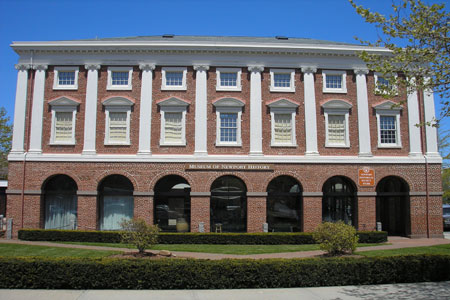
Store List – Stores In Market Place At Brick
This product has stayed on top in the market due to its strengths and high thermal properties, hence it’s suitable for residential and commercial building purposes. Sand lime bricks, which have incorporation of lime and sand, enhance durability and preferably used in locations demanding strength against moisture and chemicals. The Global Brick Market comprises an integral segment of the value chain of the construction materials industry; it lies at the confluence of classic artisanship and modern engineering. Bricks, by their very nature, have taken on a significant role in building structures for centuries and remain an essential element of architectural landscapes worldwide. This enduring eminence has developed due to certain features intrinsic to bricks—features of strength, wide applicability, and aesthetic appeal that make them an important necessity in most building projects. Europe trails in growth but leads innovation as the CBAM exposes carbon-intensive imports and rewards local low-carbon pioneers.
Therefore, jumbo bricks have a utility where fast construction progress and superior aesthetics are required in building purposes—like high-rise buildings or large commercial complexes. Enhancements in brick manufacturing processes and material make it possible for companies to reach new market opportunities. With increased regard for sustainability around the world, developments in technology have resulted in the ability to produce bricks in an eco-friendly manner. Such bricks are generally made from recycled materials or produced by energy-efficient means and, thus, are more attractive to green consumers and regulatory institutions. Some of the growth factors for the brick market include the fact that an almost indispensable use in construction across regions, if not the globe, is noticed, owing to its durability and versatility. One of the driving factors for using brick is its capacity to sustain harsh weather conditions and provide high structural efficiencies.
While all the other 4 markets on Brick Lane are pretty big and in your face, either housed in large buildings with massive signs, or outside in plain sight, the Brick Lane Tea Rooms market is a little smaller. Plus, the name “Tea Rooms” made me initially think it was just a small cafe/antique store. Plus, the entire area is adorned with really cool street art (even permanent work by Banksy!) so while you’re chowing down on some delish food you can also appreciate all the really cool and colorful street art that surrounds the space! So even if you miss the weekend market at Upmarket because you’re busy visiting elsewhere in London, you can still find some delicious food here on any weekday. In August, the mayor released renderings of the plans for the reconstructed brick building that show the “East Plaza” and the “Central Plaza,” designated areas for patrons to congregate outside the market. Jones said that if approved, a resolution would shift $14 million dollars out of the city’s general fund to pay for the reconstruction of the brick building.
- The brick market supports massive warehouse floors that demand durable, thermally stable walls to moderate interior climates in tropical South America.
- In October 2021, Wienerberger successfully finalized the purchase of Meridian Brick in the North American market, encompassing their operations in both the United States and Canada.
- Plus, the name “Tea Rooms” made me initially think it was just a small cafe/antique store.
- The Backyard Market houses over 80 stalls in its bright and spacious warehouse, showcasing the best local arts and crafts.
- Geographical analysis of the global brick market shows different regional dynamics driven by economic, regulatory, and environmental factors.
The brick industry has always stood at par in the global market today as a cornerstone in construction, poised with durability and versatility across any building project. Some of these important movers and shakers arebusinesses like Acme Brick Company, Bigbloc Construction Ltd., and Wienerberger AG. Whether in gardens or parks, or even in urbanwalkways, bricks provide a hardwearing surface for pedestrian traffic. They bring outdoor spaces into their own with a touch of elegance to the visible surroundings, thereby wedding utility with beauty. In the case of this market segment, the needs of landscape architects and committee works will prove to be a driver of brick demand. Generally, modular bricks are used, which are a little larger than the standard ones, for ease in construction.
Their ability to cater to the growing demand for green building materials makes them formidable competitors. Asia-Pacific is poised for rapid growth in the bricks market due to burgeoning urbanization, extensive infrastructure projects, and increased construction activities. The region’s robust economic development has led to a surge in demand for affordable housing and commercial spaces, driving the need for construction materials like bricks. Moreover, supportive government initiatives, coupled with a rising population, contribute to sustained growth. The construction boom in countries such as China and India further solidifies Asia-Pacific as a key market for bricks, with the potential for continued expansion in the future. Senior industry executives face an evolving landscape where traditional building materials such as brick are being rapidly transformed by technological innovation, regulatory change, and shifting global demand.