Finally, the stage was set to examine various arylalkylamines and to classify them as being hallucinogens (actually, as being DOM-like) or stimulants (or being amphetamine-like). Furthermore, the drug discrimination paradigm, being centrally-mediated, allowed us to identify (or eliminate) agents that did not readily penetrate the BBB barrier. (+)Amphetamine was already a well-documented training drug (reviewed21); hence, we used rats trained to discriminate 1.0 mg/kg (i.p.) of (+)amphetamine from vehicle and conducted tests of stimulus generalization and stimulus antagonism.
According to manufacturers of phenethylamine supplements, the recommended dosage is usually between 100 and 500 mg 1 to 3 times daily and should not exceed 1,000 mg per day. Clinical trials are lacking in humans, especially double-blind, randomized controlled trials measuring the effects of phenethylamine alone. Entirely different phenethylamines are approved as prescription medications, used to treat ADHD and depression. Slow-release versions of phenethylamine have been developed, designed to slowly release phenethylamine over time to prolong its effects.
It is currently the second leading cause of disability in the age group of 15 to 44. By the year 2030, depression is predicted to be the primary cause of disability (World Health Association, 2008). While depression may be most common in the age group of 15 to 44, it can affect people of all ages and backgrounds. Among the characteristics of depression that were summarized in a review article (Voinov et al., 2013), women are 50% more likely to be affected by depression than men and depression can shorten a person’s life by years (Voinov et al., 2013). In the United States, all 2C drugs are illegal under the Synthetic Drug Abuse Prevention Act of 2012, which prohibits its possession, distribution, and manufacture. DO NOT make the mistake of buying Phenylalanine instead of Phenylethylamine (PEA).
Physiological Mechanisms Of Action In The Body And Brain
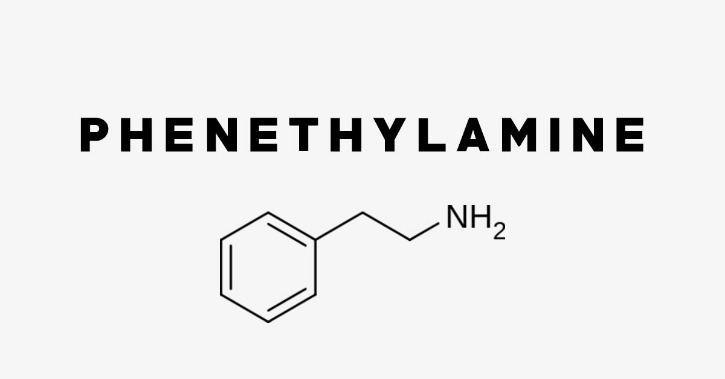
It is synthesized in the body from the amino acid phenylalanine and is found in small amounts in foods such as chocolate, eggs, and some cheeses. This article provides an in-depth analysis of phenethylamine, covering its chemistry, physiological mechanisms, nootropic benefits, dosing guidelines, potential side effects, drug interactions, and important considerations for its safe use as a supplement. There is only one phenethylamine that is a classic psychedelic, which is mescaline.
Related Compounds
The pellet was discarded, and the supernatant was centrifuged again at 13,000 rpm for 30 min at 4 °C. For Western blotting, the concentration of the solubilized proteins in the supernatant fraction was determined based on the bicinchoninic acid (BCA) assay using a BCA assay kit (Thermo Fisher Scientific, Waltham, MA, USA). The solubilized protein samples were stored in a deep freezer before use. One study found that supplementing with 10–60 milligrams of phenethylamine daily along with the antidepressant drug called selegiline (Anipryl, Eldepryl) helped relieve depression in 60 percent of participants. An impressive 86 percent experienced relief from depression symptoms for up to 50 weeks. Researchers believe that when it comes to improving mental health, PEA can be a safe alternative to drugs, such as amphetamine or methylphenidate, which are capable of causing unwanted side effects.
As might have been expected, Pharma had no particular practical interest in pursuing investigations of hallucinogenic agents. Not only does PEA (1) serve as scaffolding for various agents with therapeutic utility (vide supra), it possesses activity in its own right. Once in the brain, PEA interacts with various neurotransmitter systems, particularly those involving monoamines like dopamine, norepinephrine, and serotonin. Its relationship with these neurotransmitters is complex and multifaceted, often acting as a neuromodulator that enhances or prolongs their effects. This intricate dance of molecules sets the stage for PEA’s profound impact on our mood, cognition, and behavior. The discovery of phenylethylamine dates back to the late 19th century when it was first synthesized in a laboratory.
Figure 19
- Standard dosages for cognitive enhancement and mood support generally range between 100 mg and 500 mg per day.
- While it is never recommended to consume any illicit substances, it is critical that you or the people you know test any drugs you may ingest for fentanyl.
- Ketamine is also controlled under the same act and listed as a Schedule III drug.
- SSRIs work by blocking the serotonin transporter and inhibiting the reuptake of the neurotransmitter in your brain called serotonin.
- One interesting controversy around chocolate and PEA is the question whether chocolate can cause migraine and whether this may be due to PEA.
- As mentioned above, others have evaluated the abuse potentials of β-PEA by measuring the behavioral and neurochemical changes in rodents; however, the mechanism underlying this effect is unknown.
People who don’t make enough phenethylamine naturally may be helped by taking phenethylamine as a supplement. This article is based on scientific evidence, written by experts and fact checked by our trained editorial staff. Note that the numbers in parentheses (1, 2, etc.) are clickable links to medically peer-reviewed studies. We recommend against phenethylamine supplements until their safety has been fully verified. People taking MAO inhibitors, which are used for treating depression, anxiety, and other neurological illnesses like Parkinson’s, or those that have a condition known as phenylketonuria (PKU) should not take phenethylamine. Research suggests that phenethylamine passes easily through the blood-brain barrier (BBB).
Serotonin Level Testing: Methods, Importance, And Implications For Mental Health
Scientists are exploring novel delivery methods to enhance PEA’s bioavailability and prolong its effects in the body. There’s also growing interest in understanding how PEA interacts with other neurotransmitter systems and how it might be combined with other compounds to enhance its therapeutic potential. Interestingly, PEA has also been studied for its potential effects on appetite and weight management. Some research suggests that PEA may help suppress appetite and increase metabolic rate, although more studies are needed to fully understand these effects. This potential impact on weight management has led to interest in PEA as a natural supplement for supporting healthy body composition. One interesting controversy around chocolate and PEA is the question whether chocolate can cause migraine and whether this may be due to PEA.
Tryptophan is a chemical that the brain uses to make a neurotransmitter called serotonin. Cacao and chocolate bars contain a group of neuroactive alkaloids known as tetrahydro-beta-carbolines C(THbetaCs) . Tryptolines are also potent reuptake inhibitors of serotonin and epinephrine, with a significantly greater selectivity for serotonin.Tetrahydro-beta-carbolines are also found in beer, wine and liquor; they have been linked to alcoholism. But the possible role of these chemicals in chocolate addiction remains unclear.
SSRI function by blocking the serotonin transporter and thus inhibiting the re-uptake of serotonin (Gutman & Owens, 2006; Peremans et al., 2006). This will result in an increase of the synaptic concentration of serotonin (see Illustration 3). However, SSRI act very slowly at the beginning of the treatment, while exhibiting a range of side effects upon long term use. These long-term side effects include insulin resistance (Chen et al., 2012), bone density loss (Haney et al., 2007), and some poorly understood effects on the offspring of mothers with maternal depression (Olivier et al., 2013). Overall, the question has been raised where to go from here (Artigas, 2013) and a need for the novel approaches to depression treatment is evident.
Interactions With Other Supplements And Medications
- PEA is currently being studied and used for the treatment of ADHD, depression, bipolar disorder, cognitive dysfunction like brain fog and poor concentration.
- Therefore, in this study, we demonstrated the effects of β-PEA on addictive behaviors and emotional states and revealed the mechanisms underlying β-PEA-induced addictive-like behaviors in rodents.
- These derivative compounds are formed by replacing one or more hydrogen atoms in the core structure.
- These products should be avoided until more safety data become available.
- This allows elucidation of the functional analysis of adenosine receptor A2A through competitive binding assays against 3H-NECA (N-ethyladenosine-5′-uronamide) 23.
In addition, in previous studies, systemic injection or intrastriatal infusion of β-PEA increased DA levels in the striatum 8 and nucleus accumbens 9, and β-PEA and amphetamine induced similar levels of DA release in neuronal culture 10. PEA may have certain adverse consequences, especially when taken in high dosages. These symptoms can include tension headaches, motion sickness, nausea, a faster heartbeat, and high blood pressure.
Optimal Dosage Of Phenylethylamine (PEA)
The study by Xie and Miller (Xie & Miller, 2008), that had shown that PEA altered the serotonin transporter by interacting with TAAR, may point towards a safer alternative to SSRI treatment of depression in the form of PEA. Recent literature focuses on the biological synthesis of PEA, rather than the chemical one. 1-phenylethylamine can be synthesized by Escherichia coli overexpressing ω-transaminase (Cardenas-Fernandez et al., 2012). Likewise, the PEA biosynthetic enzyme from Enterococcus faecium can be expressed in E. Coli, which leads to large amounts of L-phenylalanine and tyrosine decarboxylase activity (Marcobal et al., 2006).
Phenethylamine Adverse Side Effects May Include:
It is a plant flavonoid that is used as a supplement to treat various health conditions. The US Food and Drug Administration designates it as “generally recognized as safe” but has not approved it for any medical use. In a report earlier this month, Xingtao Zhou, Shaoping Nie, and co-workers at Nanchang University (China) found that quercetin alleviated liver injury in mice caused by acrylamide, a common contaminant in carbohydrate-rich foods that are processed at high temperatures. The researchers’ analysis showed that quercetin reversed the ferroptosis signaling pathway upregulated by acrylamide. Here, it was demonstrated that certain conformationally-constrained phenylalkylamines lack many of the actions of their flexible counterparts and open new vistas for further research. For many years, the tritiated version of the 5-HT2 receptor antagonist ketanserin, 3Hketanserin, introduced by Janssen Pharmaceutica was employed as a radioligand for labeling 5-HT2 receptors; it is still used today.
In 1995, 2C-B was placed on Schedule I of the Controlled Substances Act by the Drug Enforcement Agency (DEA) 6, 7. However, following the scheduling of 2C-B, other 2C analogues were made available by suppliers as legal alternatives 8. Phenylethylamines are also generally found to be central nervous system stimulants with many also being entactogens/empathogens, and hallucinogens. In another study, patients who experienced a decrease in symptoms after taking methylphenidate for ADHD had increased phenylethylamine levels. This does not provide any information about the effects of supplemental phenylethylamine, however 27. The dopamine transporter receptor modulates the availability of released dopamine in the synaptic space by relocating it back into the presynaptic cell.
Because of its ability to dilate blood vessels, theobromine also has been used to treat high blood pressure. Theobromine has very different effects on the human body from caffeine; it is a mild, lasting stimulant with a mood improving effect, whereas caffeine has a strong, immediate effect and increases stress. Chocolate contains small quantities of anandamide, an endogenous cannabinoid found in the brain. Anandamide is a neurotransmitter that targets the same brain structures as THC, the active ingredient in cannabis. But to make a substantial impact on the brain’s own natural anandamide levels, experts estimate you would need to eat several kilos of chocolate!
Psychostimulants include amphetamine, methamphetamine, methcathinone and cathinone which are non-selective for adrenergic receptors in the sympathetic and central nervous system. Activation of receptors by these agents induces a release of norepinephrine and dopamine neurotransmitters from the synapse. The release of dopamine by the presynaptic cell is thought to give rise to the addictive potential of these agents. Phenylethylamine has earned the nickname ‘chocolate amphetamine.’ High levels of this neurotransmitter help promote feelings of attraction, excitement, giddiness and apprehension. Phenylethylamine works by stimulating the brain’s pleasure centres and reaches peak levels during orgasm.
Associated Data
The naturally-occurring (-)ephedrine (53), the most potent of the phenylpropanolamines as a central stimulant, is several times less potent than amphetamine or methamphetamine. Later, working with Dr. Milt Teitler (Albany Medical College), we found a significant correlation between the stimulus generalization potency of various agents in DOM-trained animals and rat-brain homogenate 5-HT2 receptor affinity (see next section). Although our results were never published, they provided the first supporting evidence that several examples of classical hallucinogens, including DOM, displayed greater affinity for the latter than the former.
Additionally, PEA’s potential effects on metabolism and appetite have led to interest in its use for weight management, although more research is needed to fully understand its efficacy in this context. A second, simpler way of producing PEA is to reduce ω-nitrostyrene with lithium aluminum hydride in ether (Nystrom & Brown, 1948). The experimental procedure that employs the use of lithium aluminum in reduction reactions follows the mechanism used in a Grignard synthesis. Ω-nitrostyrene is added to the previously prepared lithium aluminum hydride in ether while stirring. This results in an alcoholate precipitate, which thickens the solution requiring more ether to be added. Finally, using acid hydrolysis the metal alcoholate is decomposed and the product can be isolated and extracted from the ether.