It’s the language of the internet and describes exactly how information is encoded and routed over the internet. At Mailfence, we advocate for digital privacy as a right, but we also promote security through awareness. Like any tool, it can be used for both lawful and unlawful purposes. The line between the two isn’t defined by the platform itself, but by what you choose to do with it. But contrary to popular belief, not everything found on the dark web is criminal in nature. In fact, some corners of the dark web exist to protect free expression and privacy where such rights are restricted or surveilled.
Related Content

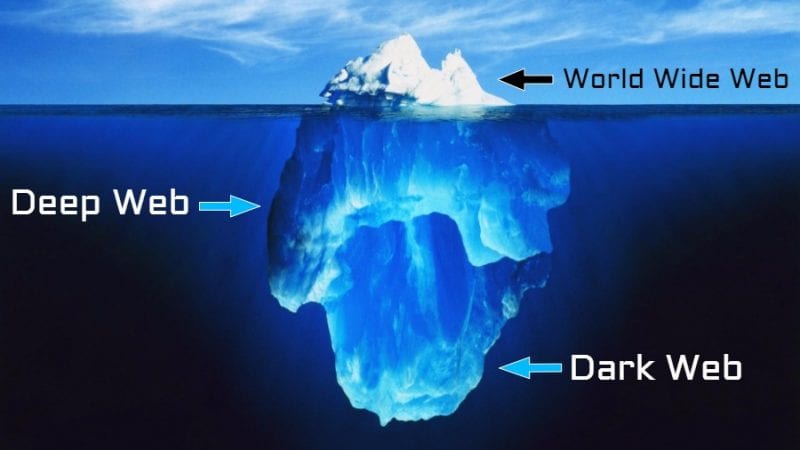
Several sites hosting illegal material have been discovered by government agencies and shut down in recent years, including Silk Road, AlphaBay, and Hansa. The dark web’s anonymity has also led to cybersecurity threats and various data breaches over the last few decades. The invisible web is made up of data and information that is not indexed and cannot be searched for by using traditional search engines. Content includes non-indexed websites, apps, and resources, which can include protected information such as, online banking, specialized databases, non-linked and password-protected websites, and more.
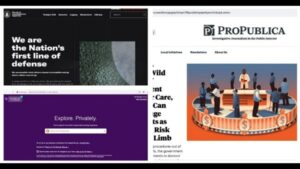
“A lot of people use it in countries where there’s eavesdropping or where internet access is criminalized,” Tiquet said. Dark web websites look pretty much like any other site, but there are important differences. Instead of ending in .com or .co, dark web websites end in .onion. That’s “a special-use top level domain suffix designating an anonymous hidden service reachable via the Tor network,” according to Wikipedia. Browsers with the appropriate proxy can reach these sites, but others can’t. While using the dark web may seem suspect on the surface, it is perfectly legal, and there are many legitimate uses of Tor and anonymous browsing.
Help Address Today’s Biggest Cybersecurity Challenges
Initially, the dark web was mainly used by government agencies, big businesses, hackers, and cybercriminals. However, technological advancements such as encryption and privacy-focused browsers like Tor enabled the general public to access it. These sites are a hybrid tutorial-underground where wannabe hackers ask questions and professionals sell their services or stolen data. For instance, services like ProtonMail and SecureDrop (mentioned above already) have hidden sites for their users who live in countries with high levels of censorship. It works by sending internet traffic through volunteer-operated nodes all over the world. This network of over 6,000 relays hides your location, thus protecting you from online surveillance and third-party tracking by your websites.
The CSO Guide To Top Security Conferences
Accessing the dark web is legal, but what you do on the dark streets matters. If you engage in any criminal activity and you’re caught in the act, you could face the full force of the law. However, anonymity on the dark web isn’t used exclusively for insidious activity.

How To Access The Dark Web
Law enforcement routinely shuts down and prosecutes sites and people doing illegal things on the Dark Web. This study examines the evolution of dark web usage, highlighting the surge in activity during the COVID-19 pandemic. To access a dark web resource, you will need to know its web address to the letter. These websites will also use .onion top-level domain names, and many of them will be very long, random combinations of letters and numbers.
One example is a website called the silk road which was on a darknet called TOR, used to sell drugs, and was taken down by the FBI. The dark web’s anonymity draws users who need private communication, want to share sensitive information, or seek access to content censored in certain regions. But while it can support legitimate uses such as whistleblowing or journalistic sources, it’s also a hub for illegal activity. Criminals use it to buy and sell stolen data, commit identity theft, or conduct illicit transactions.
Organizations should establish clear policies governing the acceptable use of anonymizing technologies by employees. Yes, police can track users on the dark web, but it’s challenging and resource-intensive, requiring advanced tools, undercover operations, and digital forensics to uncover illegal activity. So, while the dark web is designed for anonymity, it’s not impenetrable — mistakes by users, metadata leaks, compromised devices, or cooperation from hosting providers can all lead to exposure.
You’re also open to threats like end-to-end correlation attacks, so while Tor is a lot more secure and private, it’s by no means completely safe. However, there are plenty of legal and legitimate online activities that require privacy and anonymity. The dark web is used by journalists, whistleblowers, and political activists who need the protections that it offers. Anything you need to do that has to be off the books to some extent, for noble or ignoble reasons, can be done on the dark web. Perhaps the best-known thing you can buy on the Dark Web is information collected in what seems like the almost daily data breaches we read about in the news. That information can include checking and credit card account numbers, social security numbers, and other sensitive information.
The Hidden Wiki
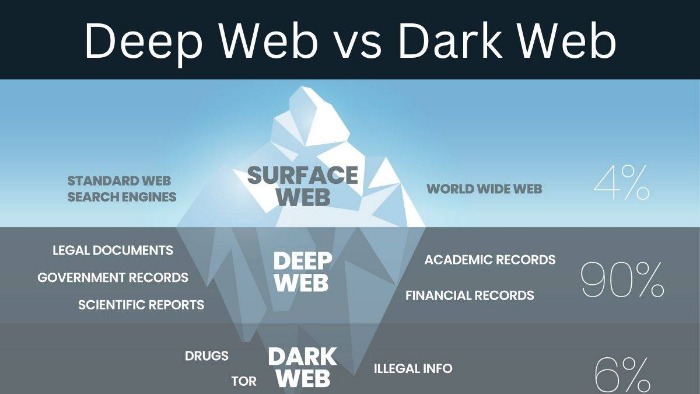
Read on to learn the pros and cons of the dark web, how to access it, and get tips for staying safe. Then, install Norton 360 Deluxe to get AI-powered scam detection to help secure your browsing against online threats. The dark web is the smallest and least accessible subsection of the hidden web. Dark web content and services are deliberately buried under layers of technology for anonymity and are only accessible through anonymizing web browsers like The Onion Router (Tor). Identity theft monitoring is critical if you want to keep your private information from being misused.
- This means you have to know someone who is already using the platform.
- Millions of regular internet users access private databases such as email inboxes and credit card accounts daily.
- This part of the web contains everything from password-protected sites and data not accessible via public web pages to private intranets, academic content, and more.
- However, noteworthy differences exist in operation, scope, size, access methodology, applications, and security.
- Darren Guccione is the CEO and co-founder of Keeper Security, the world’s most popular password manager and secure digital vault.
Some people use the terms ‘dark web’ and ‘deep web’ interchangeably; however, significant portions of the deep web are completely legal and safe to use. With the advancement of technology, several other modes of resources came into the limelight – the so-called Dark web, and the Deep web. The fact is none of them are outside the eyes of the law and one should use them wisely at their own risk. For instance, Harvard University received a bomb threat via a disposable email in December 2013. They immediately informed the FBI, which singled out all the campus students using Tor in that time frame.
- So, you should also make sure that your system’s operating system and other installed software are patched with the latest updates.
- For instance, the search engines won’t be able to access the servers and websites hosting data about some government-led secret alien mission.
- The terms are sometimes confused; we help unravel the differences.
- Like any tool, it can be used for both lawful and unlawful purposes.
- If the traffic passes through a Tor exit node run by a law enforcement agency, they will only see the IP address that the VPN assigned, not your real IP.
Is It Possible To Remove Personal Data From The Deep Web Or Dark Web?
After all, it enables users to connect and communicate with each other from around the world. It will offer you an additional layer of encryption to access the deep parts of the internet. If you know the right websites, you can easily access a tremendous amount of information, including research articles, news stories, and more. The dark web is a part of the internet that you only step into with a specific tool (Tor, more on this later in the article).
Simply put, accessing and browsing the dark web is perfectly legal. For example, it maintains your privacy and enables you to access untraceable content and services. Some of the deep web sites do not use standard top-level domains (TLD) such as .gov, .com, .net, etc.

There isn’t any one way to access the deep web — it just depends on what you’re looking for. You need passwords to access your work email, or you’ll need to follow an internal link to find the right shirt to buy for an event. It takes more effort to access, but it doesn’t require the same level of legwork that accessing the dark web needs. Whistleblowers, journalists, and activists rely on the dark web to bypass censorship and communicate securely. Even reputable organizations like the BBC have mirror sites on the dark web to ensure that people living in oppressive regimes can access unbiased news.
This means you can gain online privacy while still engaging in activities like HD streaming, gaming, torrenting, etc. The deep and dark web are often misunderstood, but understanding each term’s meaning makes it easier to recognize their differences. These parts of the unindexed internet serve very different purposes. Phishing is when someone contacts you pretending to be someone else to gain access to your personal information, which often results in identity theft. Over the centuries, when technology became advanced, humans built machines capable of diving into the depths of the oceans.
Deep Web Vs Dark Web: Risks
The World Wide Web is a service that runs on internet infrastructure. Specifically, it’s the network of websites hosted on web servers, connected to the internet. The internet plays host to many other services, such as streaming video, FTP (file transfer protocol), email, etc. Greater anonymity allows cyber criminals to do their thing, and the rise of the Bitcoin cryptocurrency which allows incognito payments, has also contributed to illegal trade. Before you dive into hidden layers of the web, secure your visible ones.
It can only be accessed through special networks like Tor or via static IPs shared privately. Therefore, you should understand the legal risks of accessing the dark web before you venture into this murky world. On the surface web, you can contact your credit card company or law enforcement for help.