The resulting financial loss is tremendous not only for the individual victim but also for the financial provider and any involved organizations. A 2018 special report from Vice shows an anonymous scammer browsing stolen credit card numbers on the dark web. He chooses one, stamps the number and information onto a blank card, and uses that card to make payments, often using the stolen payment information to buy goods, like gaming systems, and sell those as well. Some criminals organize stolen card data by ZIP code, according to Novak, “because it makes it harder to conduct fraud detection,” he says. This is because criminals can purchase cards to use in their own geographical locations to limit the chances that their transactions will be flagged.
Ben Luthi has worked in financial planning, banking and auto finance, and writes about all aspects of money. His work has appeared in Time, Success, USA Today, Credit Karma, NerdWallet, Wirecutter and more. Your personal information can sell for upwards of hundreds or even thousands of dollars on the dark web—and you might not even know it’s even out there to begin with. Darknet markets — also known as cryptomarkets — provide a largely anonymous platform for trading in a range of illicit goods and services. Accessing the dark web can only be done using specific browsers, such as TOR Browser. Skimmers are devices installed on ATMs or gas station card readers that capture data from your card’s magnetic strip.
Protecting Yourself From Dark Web Credit Card Fraud

By monitoring the dark web, you can quickly identify when your cards are compromised through partner organizations or merchants. The pricing varies based on the card type, with premium cards from certain banks fetching higher prices. Social Security numbers and other national ID numbers are for sale on the dark web but aren’t particularly useful to cybercriminals on their own. A fair number of vendors include access to a SOCKS5 internet proxy that can be used by the buyer to match their computer’s IP address location with that of the cardholder in order to avoid being blacklisted.
What Is Carding In Cyber Crime?
If the fraud involves multiple customers, notify them as soon as possible to inform them of the situation and to provide guidance on how to protect their personal and financial information. And all payments stakeholders can visit Visa’s website to see public reports and press releases regarding malware, indicators of compromise, mitigation, and protection. Of all the data breaches analyzed by Trustwave in the company’s “2019 Global Security Report,” breaches originating from magnetic stripe data comprised 22 percent of compromises in 2017, but only 11 percent in 2018. In contrast, breaches of CNP data rose from 18 percent to 25 percent in that same time period. Learn the basics of credit card cards, including features, fees, and rewards to make informed decisions about your credit card usage.
Card Shops are a type of dark web marketplace that hosts the trade of credit cards and other stolen financial information. These platforms serve as hubs for cybercriminals to easily buy and sell compromised payment card details, including credit card numbers, CVV codes, expiry dates, and cardholder information. Cybercriminals trade their illicitly acquired data on various dark web/hacking forums by advertising or leaking a sample of the data to lure other malicious actors in the community. Recently, adversaries illicitly obtained over three million customers’ credit card information after compromising Dickey’s BBQ Pit Point-of-Sale (POS) systems in 156 restaurant locations. Attackers posted the stolen data for sale on Joker’s Stash, a dark web marketplace that exclusively trades stolen card data.
Methods Used By Criminals
This clandestine realm is none other than the infamous Dark Web, a hidden corner of the internet that has become a breeding ground for criminal activities and a hotbed of illegal transactions. While credit cards have undoubtedly revolutionized the way we make payments, they too have fallen prey to the nefarious activities that thrive in the depths of this digital underworld. The best way to protect yourself from credit card theft is to be vigilant about monitoring your credit card statements, using strong passwords, and avoiding public Wi-Fi networks for financial transactions. You can also consider using a credit monitoring service to alert you to any changes in your credit report.
Compromised Online Account
From gamers’ cheat codes to users’ login credentials, everything is traded on darknet markets. Several new cybersecurity scams and malicious activities originate from these underground forums. Threat actors discuss and share knowledge on new hacking techniques and tools.

Trend Micro Cyber Risk Report
- There’s an underground ecosystem where sensitive data is bought, sold, and traded—not just on the dark web, as you might expect, but also on publicly accessible websites, channels, and forums.
- The data format, which includes user agents and victim IP addresses typically observed in both local and global phishing attacks, allows us to assert with high confidence that it originated from such activities.
- Imagine entering a dimly lit room, filled with whispers and secrets, where the boundaries of legality blur into obscurity.
- With so many ways for thieves to steal your credit card information, it’s more important than ever to stay vigilant.
- The breach was reported by the New York Times, highlighting the vulnerability of sensitive information at the time.
- These days, criminals use a variety of methods to steal credit card numbers without ever needing a physical card.
According to the United States Attorney’s Office, the ring of thieves obtained the credit card information on the dark web, and used that information to create their own cards. The fraudulent credit cards were used to purchase gift cards, flights, hotels stays, and other goods and services. This is how the site admins encourage users to post their stolen credit card details on their site first. Considering this backdrop, it is evident that b1ack’s primary goal has consistently been to profit from the sale or use of these stolen credit card details. By leveraging dark web markets, underground forums, and direct transactions, they aim to capitalize on the extensive reputation and reach they have established through their effective marketing strategy.
Are Some Cards Safer Than Others?
That’s basically a money laundering machine because they buy all that merchandise and put it on sale on the open web.” This process turns dirty money into legitimate funds that criminals can use to buy cars, houses, and more. Cybercriminals tend to rely on cryptocurrencies for their online transactions—for example, when purchasing stolen card data. As much as 95 percent of dark web transactions are conducted via cryptocurrencies—primarily Bitcoin—which allow criminals to transfer money without revealing their identities, according to Wilson.
These platforms serve as hubs for cybercriminals to buy and sell compromised payment card details. Back in the day, carding forums were the busiest of online crime hangouts, selling packs of stolen credit card data to anyone with the cash. That was then; now, you are more likely to find a roaring trade being made on the dark web in the likes of stolen passwords and account credentials, phishing exploit kits and malware-as-a-service platforms. A new report has revealed that the B1ack Stash crime forum has just given away more than a million stolen credit cards for free. The sooner you become aware of compromised information, such as stolen credit card numbers on dark web, the faster you can take steps to mitigate damage.
Use a service, like Flare, that allows you to monitor the dark web for any mentions of your organization’s information, including business credit card numbers. Flare, for example, enables you to automatically scan the clear & dark web for any leaked or stolen account credentials. By doing this, you can find your credentials for sale on the dark web and secure them before they are exploited. The card skimmer illegally captures the credentials of cards inserted into the machine. The stolen data is then used to create fake credit or debit cards and commit fraudulent transactions.
This veil of secrecy makes it an attractive haven for illegal activities. Conducting transactions online while connected to an unsecured WiFi network places your financial data at risk of being stolen due to MITM attacks. It’s best to avoid conducting transactions while connected to an unsecured network.
Inform them that your card information has been compromised and discuss the best course of action, which could include canceling the compromised card and issuing a new one to prevent fraudulent transactions. Hijacking a PayPal account requires a different approach than stealing a credit card number. Instead of card numbers and CVVs, criminals steal usernames and passwords that they’ve gathered either through phishing or malware. They can then sell the account credentials to a buyer who can log in and drains the funds, or the vendor can transfer the requested amount of money from the victim’s account to the buyer’s account. To minimize the risk of payment data exposure, only shop from reputable retailers, use digital payment methods or one-time private cards, and protect your accounts with two-factor authentication. This stolen information is exploited by threat actors for financial gain through unauthorized charges, account takeover, and identity theft.
Kaspersky’s Step-By-Step Response Guide For Corporate Account Compromise Leading To Dark Web Data Leaks
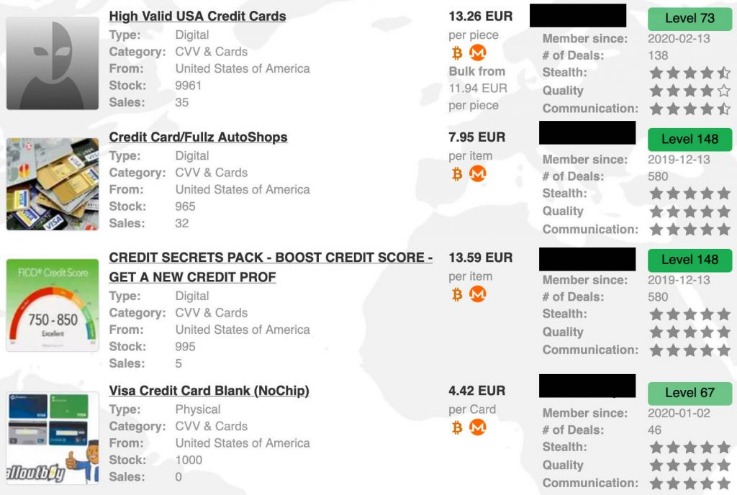
Credit card details can be sold as digital items on the dark web, with the basics costing around $17.36. Physical cards, on the other hand, are cloned from stolen online details and can be used to withdraw cash from ATMs. The three suspects from Indonesia confessed to stealing payment card data using the GetBilling JS-sniffer family. Canceling your credit card is a bit more complex, but you can start by contacting your bank or credit card issuer to report the card as stolen.
By choosing a secure payment method, you can significantly reduce the chances of your credit card information falling into the wrong hands. With this stolen information, fraudsters can make unauthorized purchases, withdraw funds, or even create counterfeit credit cards. The risks are real, as victims can face significant financial losses, damage to their credit scores, and potential identity theft. Dark web transactions play a key role in fund transfers for credit card fraud. Cybercriminals use cryptocurrency to buy and sell stolen card data anonymously. Our investigation into the activities of b1ack’s Stash has unveiled a substantial threat to the security of payment card data across local banks.
Scanning the dark web helps you detect if your credit card number has been exposed. Once exposed, your card details can be used for unauthorized transactions or fraud. Early detection lets you take immediate action to protect your finances, such as alerting your bank or requesting a new card to avoid further risks. Stolen credit cards are often used to make purchases at specific sites that don’t have protections against fraud. Some vendors offer a “complete package” known as “Fullz”, which includes full personal details as well as financial details like bank account information or social security numbers. Some threat actors offer a “complete package” known as “Fullz”, which includes full personal details and financial information like bank account details or social security numbers.
This latest pack is the fourth credit card dump the carding market has released for free since October 2022, with the previous leaks counting 1.22 million, 2 million, and 230,000 cards. The payment information is then posted for sale on the dark web where other threat actors can purchase and use it. If you notice suspicious activity, you can pause or close your virtual card in a few clicks—–via either Privacy’s web app or mobile app—and Privacy will decline any subsequent payment requests on the card. You won’t have to block and replace your actual payment card, which is often a complicated and lengthy process. Scammers start by prompting users to download malware, which is often disguised as a harmless email attachment.
A recent survey revealed that the rate of cyberattacks in the financial industry increased exponentially. Nearly, 65% of major financial services organizations have suffered a cyberattack in the last 12 months. The black market for stolen credit cards is a massive illegal business, with cybercriminals getting their hands on card data in a number of ways. Point-of-sale card skimmers, targeted Magecart attacks on websites and info-stealing trojans are among their top tools for stealing credit-card data. Carding shops are a type of dark web marketplace that hosts the trade of credit cards and other stolen financial information.