By regularly monitoring your credit, using secure payment methods, and being cautious online, you can minimize the risk of your credit card falling into the wrong hands. The dark web serves as a thriving marketplace for stolen credit card information. Criminals buy and sell credit card data, exploiting it for various illegal activities. This underground economy poses significant risks to individuals and financial institutions alike. In this shadowy realm, hackers can obtain credit card details through various means, including phishing campaigns, malware attacks, and data breaches. The dark web has become a hub for credit card fraud, making it a significant concern for both individuals and businesses.
Design Community
UniCC has been active since 2013 with tens of thousands of new stolen credit cards listed for sale on the market each day. Now that we have explored the payment methods used on the Dark Web and the necessary precautions, let us delve into the protective measures individuals can take to safeguard their personal information during credit card transactions. However, delving into the Dark Web comes with significant risks and challenges. Buyers must navigate through a labyrinth of fraudulent sellers and law enforcement operations targeting illegal marketplaces. It is crucial to exercise caution and take protective measures to safeguard personal information.
- Although it offers leaks from many different countries, the site has a dedicated lookup and leak section for Canadian profiles, making it extremely easy to use for buyers interested in Canadian leaks.
- “The dumps also include magnetic stripe data, allowing criminals to create physical card clones,” Draghetti warned.
- Some retailers’ cards use PIN numbers in addition to the number encoded into the card.
- The financial repercussions for victims can be debilitating, leading to damaged credit scores, fraudulent charges, and identity theft.
Good Password Ideas And Tips For Secure Accounts
This involves adding daily listings of stolen credit card details to the site and periodically dumping large amounts of stolen credit card details at the same time. Deep and dark web credit card sites include forums and marketplaces that host the trade and share of illicit content relating to credit cards. This should come as no surprise considering most credit card theft happens through online means, and internet users are spread far and wide throughout the whole United States.
The Top 10 Prepaid Card Scams To Watch Out For
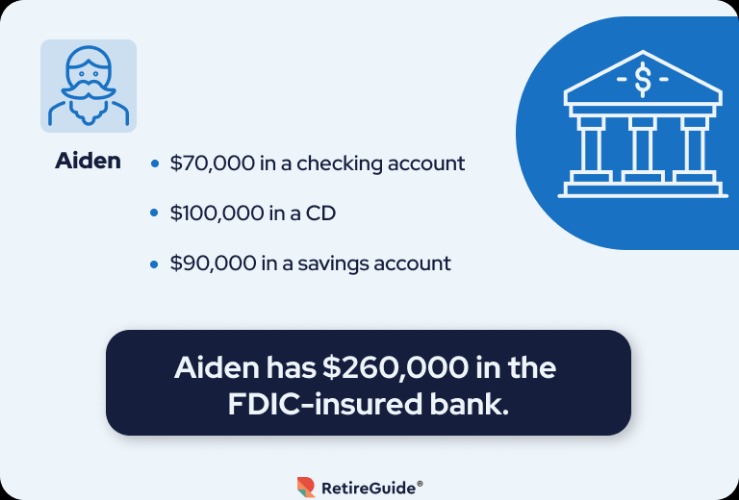
Thus, limiting value amounts may make your cards less attractive to scammers. Each time a user clicks into an email thread, browses an unsecured website, or checks their account balance in a coffee shop, they could be exposing their data to potential fraudsters. They let customers shop for items they really want without carrying cash or remembering payment details.
The Real Deal On Legit CC Vendors: No Bullshit, Just Results
Carding shops are a type of dark web marketplace that hosts the trade of credit cards and other stolen financial information. These platforms serve as hubs for cybercriminals to buy and sell compromised payment card details. The sooner you become aware of compromised information, such as stolen credit card numbers on dark web, the faster you can take steps to mitigate damage. Rapid response can prevent unauthorized transactions, minimize financial losses, and protect your customers’ trust in your business. However, it is the darker side of the Dark Web that captures the imagination of many. Criminal marketplaces, like Silk Road and AlphaBay, have made headlines for facilitating the sale of drugs, hacking tools, counterfeit money, and stolen credit card data.
Dark Web’s Largest Marketplace For Stolen Credit Cards Is Shutting Down
For merchants, they offer a means to encourage return patronage and improve customer loyalty. Although it offers leaks from many different countries, the site has a dedicated lookup and leak section for Canadian profiles, making it extremely easy to use for buyers interested in Canadian leaks. It is crucial to understand that not everything on the Dark Web is unlawful. While it has gained a reputation for hosting illicit activities, there are also legitimate uses for this hidden network. Whistleblowers, journalists, and individuals living in repressive regimes often use the Dark Web to communicate securely and protect their privacy. Learn the basics of credit card cards, including features, fees, and rewards to make informed decisions about your credit card usage.
Credit cards and the dark web pose a significant threat to individuals and their financial security. The dark web serves as a marketplace where stolen credit card information is bought and sold, fueling illegal activities. Cybercriminals exploit vulnerabilities in payment systems, compromising credit card details. Once obtained, this information is used for identity theft, fraudulent purchases, and money laundering. Once obtained, these stolen credit cards are quickly sold on the dark web, where they can be used for fraudulent transactions or identity theft. Protecting your credit card information is crucial to avoid financial loss and potential legal troubles.

The Bruteforce Attack: When Hackers Guess Their Way To Free Money
To sum it all up, it appears the stolen credit card ecosystem is a widespread issue, with criminals paying little to no attention to the origin, brand, or issuer of the credit card information they are stealing. Credit card fraud in itself is an enormous 32 billion dollars industry, and is only expected to grow in size, upwards of 38 billion dollars by 2027, according to a report by Statista. One such forum was seen offering to give away a million credit cards for free just as a marketing exercise, for goodness sake. Now Kaspersky threat intelligence specialists have revealed the extent to which infostealer malware and bank card theft go hand in hand. To protect yourself, be vigilant while making online transactions, use secure payment methods, and regularly monitor your credit for any suspicious activities.
Here, though, the scammer uses email to commit the crime, instead of the post office. The scammer attempts to convince a victim to pay an upfront fee in order to receive a prepaid card fully loaded with cash, for instance. The data posted on these online illicit shops is a goldmine for threat actors who are looking to commit financial crimes. It provides them with valuable information needed to carry out a variety of attacks.
A customer must provide personal information to set up a reloadable prepaid card. However, limited-use prepaid cards don’t have to be tied to any particular account or identity. This makes it incredibly easy for fraudsters to use prepaid cards in money laundering and other scams.
These underground platforms facilitate anonymous transactions where criminals can purchase credit card information in bulk, complete with the cardholder’s name, number, and CVV. Another method employed is card skimming, where criminals install hidden devices on legitimate payment terminals or ATMs to capture card details for later use. The dark web has become a notorious hub for illegal activities, and credit card fraud is no exception. Criminals exploit the anonymity and encryption features of the dark web to buy and sell stolen credit card information.
Dark Web credit cards can be a nightmare for victims, often leaving them with significant financial losses and damaged credit scores. Prepaid cards are temporary payment cards featuring a preloaded balance of funds that decreases as the card is used. Many prepaid cards are intended for limited use with a fixed amount that is not reloadable. This won’t directly prevent prepaid card fraud, but it can reduce its likelihood by imposing reasonable limitations on purchases.